July 5, 2021

SMC expands micro-enterprise program to sustain livelihoods, spur economic recovery


San Miguel Corporation’s (SMC) food unit San Miguel Foods is offering enterprising Filipinos the chance to start their own small business during the pandemic and contribute to economic recovery, by becoming part of the company’s growing network of small business partners.


Under San Miguel Foods’ Community micro-enterprise program, any interested individual can get into selling the company’s full line of popular and trusted brands, including Magnolia Chicken, Purefoods Tender Juicy Hotdogs, Purefoods Chicken Nuggets, Magnolia Gold Butter, Magnolia Fresh Milk, Bake Best Premixes, and Dari Crème, in their own communities.


“We want to help those who have lost their jobs, or who have encountered financial difficulties due to the pandemic, and are in need of additional or alternative sources of income. While we help them re-establish their livelihood, they will in turn help us bring our products closer to more consumers,” SMC president Ramon S. Ang added.

“We think this is a very good opportunity for many of our countrymen. Food is a necessity so even if there’s a pandemic, there will always be a market for it. This can be your side business or your main source of income, depending on how committed and dedicated you are,” Ang said.


He emphasized that “anyone can apply” for the business opportunities. Those interested can then choose from several models developed by San Miguel Foods, depending on what best fits their local market and personal preferences.


Currently, Ang said SMC has over 10,000 small business partners nationwide.


The program started last year with the Magnolia Chicken Community Selling program at the height of pandemic restrictions, when access to food products at traditional outlets was severely limited.


Magnolia Chicken partnered with community members as well as homeowners’ associations to initiate selling activities in barangays.


With a minimum capital of only Php 2,000 for the minimum order quantity of Magnolia Chicken products, a small business partner can earn as much as Php 9,000 to Php 30,000 per month, depending on the number of households he or she works to serve in his or her area.


Magnolia Chicken also provides merchandising support to advertise the business.


San Miguel Foods is also open to potential micro-entrepreneurs who want to carry all San Miguel Food products, as part of a continuing engagement for extra income.


Under this model, all products can be carried, provided that the small business partner has enough space for storage--approximately six (6) sqm.

A number of former TJ Hotdog stand operators who had been affected by the pandemic, have now become business partners of all San Miguel Foods products, Ang said.


San Miguel Foods has also opened a business opportunity for those who want to be in the baked goods or breads space.


Through a newly-built bread commissary in Pasig City, San Miguel Foods can now offer an easy-to-start business model for enterprising households wanting to sell freshly-baked breads and pastries in their communities.


Under the scheme, sellers are assigned a territory such as the village or condominium they live in. The seller can collect orders for the week from the neighborhood, then the orders are delivered to the seller every Friday.


This simple system makes it easy for resellers to order and offer products through text messaging, Viber groups, or other social media platforms.


Bestsellers thus far include a line of soft and milky Japanese-influenced loaf breads, tasty fruit-and-crème-flavored butter cakes, traditional Filipino breads, and more.


Meanwhile, communities who are interested in weekends-only or occasional selling activities inside their villages or residential condominiums can now directly coordinate with the company.


San Miguel Foods can then bring its complete line of products--from fresh chicken, refrigerated and canned meats, ready-to-eat viands, dairy products, baking essentials, to dog food--and make these available for half a day at a park or community center.


This mode affords community members the chance to save on having to visit markets or paying extra for shopping delivery.


Promos and special packs are also made available during market days.


“Hopefully, while the economy is still in a slowdown, these opportunities will be a big help to many of our enterprising and industrious Filipinos. We have all experienced many setbacks and difficulties in life during this pandemic. This could be a first step for many of our countrymen to get back on their feet,” Ang said.


“In San Miguel today, we are doing a lot to help spur and support economic recovery. But apart from pouring investments into major infrastructure projects or capacity expansion, we constantly look for ways to help our countrymen sustain their livelihood. This is one of them. So whatever challenges they may face, they will have a better chance to prosper,” he added.

December 28, 2025
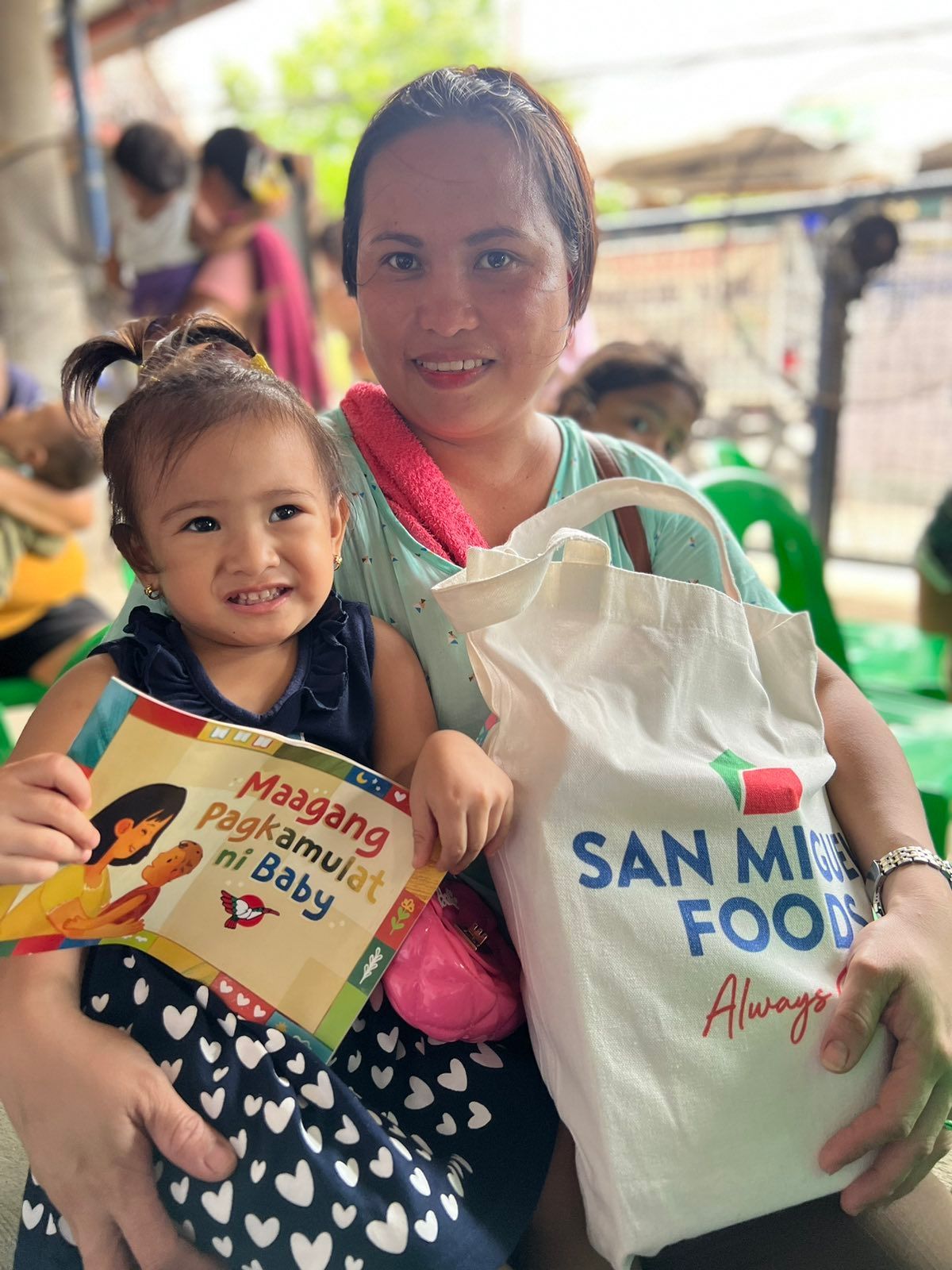
San Miguel Foods has successfully completed Phase 2 of its expanded early childhood nutrition program, “Happy si Mommy, Malusog si Baby: 1,000 Babies for the First 1,000 Days,” with 1,002 mothers and their infants now receiving sustained nutrition and wellness support during the crucial first two years of life. Phase 2 focuses on nutrition supplementation and emotional wellness for new mothers and infants aged six months and above. In collaboration with San Miguel Foundation and with the support of Childfam Possibilities Psychosocial Services and local government units, participating families received a year-long supply of Mingo Meals—a nutrient-rich complementary food made of rice, mongo, and malunggay—along with practical education on self-care, stress management, post-partum recovery, and positive parenting. To strengthen community health systems, 176 barangay health workers were trained to cascade the above topics at the barangay level. Meanwhile, 155 San Miguel Foods employee-volunteers facilitated small-group conversations with mothers across the country, creating safe and supportive spaces for sharing experiences, navigating the challenges of early motherhood, and building confidence in caring for their children. As Phase 2 concluded, 95% of monitored babies registered normal height and weight—an encouraging indicator of the program’s sustained impact on early childhood growth. Now in its second year of nationwide implementation, the program continues to demonstrate strong community engagement, improved maternal wellness, and healthier growth outcomes for infants enrolled since pregnancy during Phase 1. Through the initiative, San Miguel Foods underscores its commitment to supporting mothers not only through proper nutrition, but also through emotional and mental well-being—recognizing that holistic care during the first 1,000 days plays a critical role in shaping lifelong health outcomes for both mother and child, and in creating lasting impact in the communities it serves. Phase 3 of the program will commence next year, focusing on sustained nutrition support and early learning activities for toddlers. With “Happy si Mommy, Malusog si Baby,” San Miguel Foods continues to advance its mission of nourishing lives, empowering caregivers, and helping build a healthier future for Filipino families.
By Coach Oca December 27, 2025
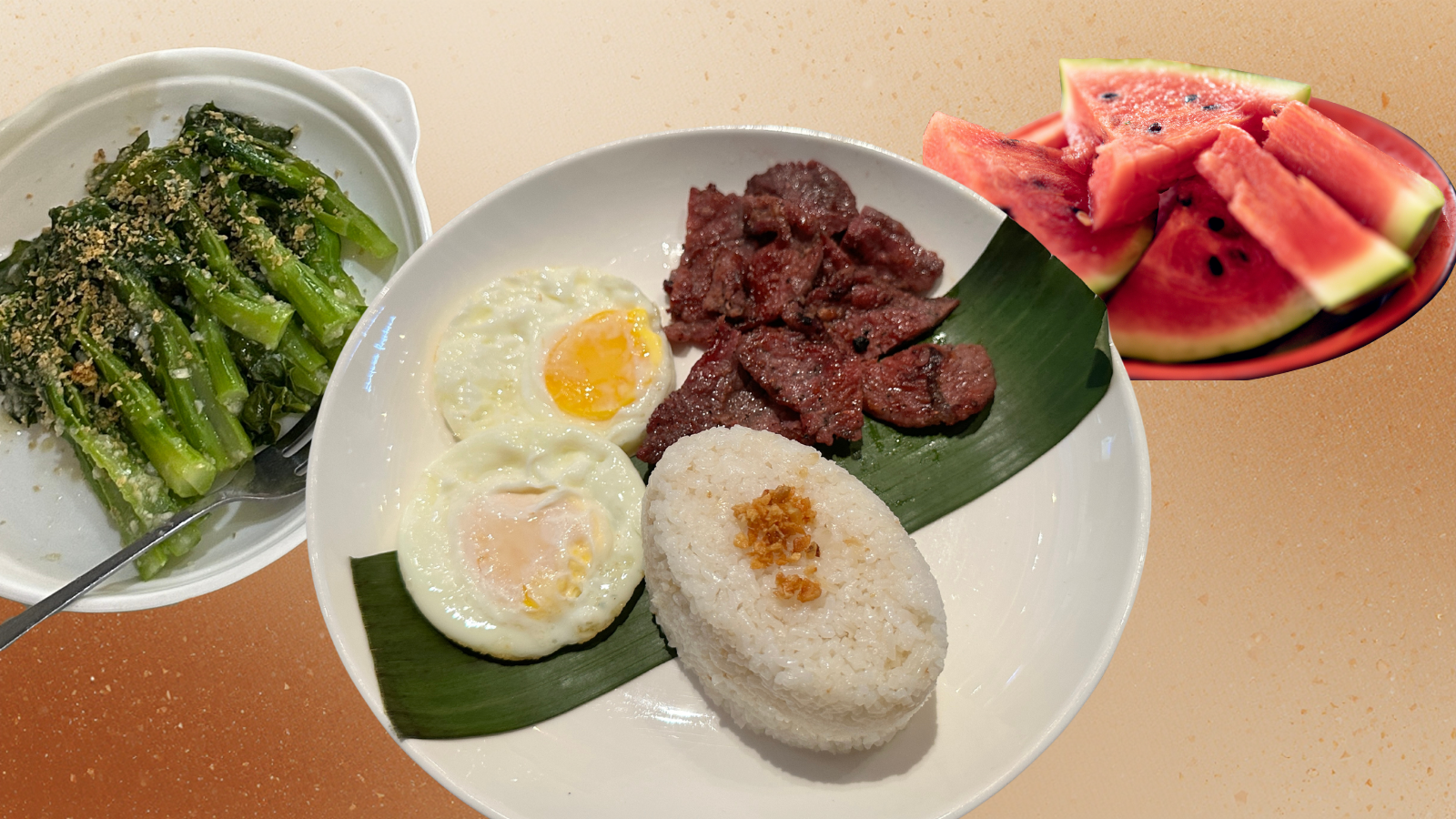
Every time we see or hear the word “nitrates”, we almost instantly react to it as being bad or evil. We usually encounter nitrates in food like cured meats, longganisa, tapa, tocino, and sausage—and we associate these kinds of food to being unhealthy. How much of this fear is justified? And how much of it is based on unfounded science? What if nitrates were actually beneficial to our health? What if discarding them from our diet means we are missing out on a good thing? Nitrates are found in nature. They are naturally occurring ions composed of nitrogen and oxygen and are found ordinarily in soil, water, and plants. When ingested, nitrates accumulate in the saliva, converted into nitrites, and eventually become Nitric Oxide (NO) in the gut, which is important to maintaining our vascular health (healthy circulatory system). Nitric Oxide is a gaseous molecule that acts as a crucial signaling molecule in blood vessel dilation, neurotransmission, and immune response. It is because of Nitric Oxide that our blood pressure is stable. The lack of it could lead to hypertension and the beginning of a cardiovascular disease. The history of nitrates goes back to ancient civilizations (Sumerians, Greeks, Romans) when the practice of salting meats to draw moisture and preserve its flavor was popularized. Adding potassium nitrate (saltpeter) would give the meat a reddish color as the nitrates react to the proteins (myoglobin) in the meat. Nitrates are most commonly sourced from vegetables like spinach, beets, lettuce, and celery. The health concerns about nitrates stem from some animal research where nitrates were found to react to amines in an acidic environment forming “nitrosamines”. This allegedly has the potential to damage our DNA, by promoting mutations, and can therefore be carcinogenic. However, none of these tests have been done on humans, and the correlational studies have been found weak. Thus, the over-all benefits of eating food with nitrates is still quite convincing. Nitrates can be quickly absorbed through the saliva and converted to nitrite by oral bacteria and then converted to Nitric Oxide in the stomach. As the bloodstream picks them up, one can immediately get the benefits of vasodilation in the artery walls, resulting to more stable blood pressure—a key marker for cardiovascular health. Moreover, nitrites have also been found to help improve mitochondria efficiency, allowing healthy ATP production (energy molecules) in the cells and improving insulin sensitivity. Nitrite also promotes conversion of white fat (the slow metabolism fat) to beige fat which leads to higher mitochondrial uncoupling for better metabolic health. I believe that nitrates have been unfairly judged in the medical field due to the society’s older biases against meats, including processed meats. Meats, especially from properly-raised cows, are nature’s most complete food for humans. Indeed, we have evolved these strong bodies and brains of ours from a meat-eating, animal- hunting, cave dwelling group of ancestors into conscious-eaters today. Today, our ancestors’ food preparation practices of meat preservation and cooking learned thousands ago have evolved into more interesting ways of preparing our modern-day steaks, barbecues, patties, sausages, hams, morcon, asado, and many other traditional methods all over the world. The more important thing to consider is promoting the use of natural (ideally, organic) ingredients and to avoid chemicals and preservatives that come from modern-day laboratories. Stay healthy! Eat your meat! Dietary Nitrate, Nitric Oxide, and Cardiovascular Health - PubMed [Internet]. PubMed Central. [cited 2025Jul.29]. Available from: https:// pubmed.ncbi.nlm.nih.gov/25976309/ Meta-analysis of prospective studies of red meat consumption and . [Internet]. PubMed Central. [cited 2025Jul.29]. Available from: https:// pubmed.ncbi.nlm.nih.gov/21540747/ Nitrate and nitrite in the diet: how to assess their benefit and risk for . [Internet]. PubMed Central. [cited 2025Jul.29]. Available from: https:// pubmed.ncbi.nlm.nih.gov/25164923/
By Imelda Angeles-Agdeppa, Ph.D. December 26, 2025
Introduction Excess salt intake is a major contributor to hypertension and cardiovascular disease—among the leading causes of mortality in the Philippines and around the world. The World Health Organization (WHO) recommends less than five grams of salt per person per day, yet the average intake of a Filipino adult is around 10.3 g, more than double the WHO recommended limit (WHO, 2023). In the same year, the 2023 Expanded National Nutrition Survey reported that 13% of Filipinos aged 20–59 have elevated blood pressure, with even higher rates among older adults—19.5% for those aged 40–49 and 26.8% for those aged 50–59 (DOST-FNRI, 2023). The role of the industry and challenges The food industry plays a pivotal role in reducing population salt intake, as most dietary sodium comes from the salt used to enhance flavor, preserve freshness, and improve texture in processed, packaged, and prepared foods. Striking the right balance between product quality, consumer preference, and public health presents both a challenge and an opportunity for the sector. The food industry is uniquely positioned to help reduce salt consumption and address the alarming rates of hypertension and other non-communicable diseases. Through product reformulation, innovation, and consumer education, the sector can drive meaningful population-level impact. Key actions include: Reformulating existing products to gradually reduce sodium content without compromising taste, quality, or safety. Developing new low-sodium products that meet consumer expectations for flavor and overall eating experience. Practicing responsible marketing and transparent labeling to help consumers make informed dietary choices. Collaborating with government and health organizations to align efforts with national nutrition goals and standards. Global experience shows that significant sodium reduction is both achievable and sustainable. In the United Kingdom, voluntary salt targets set by the Food Standards Agency contributed to a 15% reduction in population salt intake. In Japan, the reformulation of condiments and instant noodles resulted in notable sodium reductions while maintaining strong market performance. In the Philippines, several food companies have begun implementing gradual salt reduction in condiments, snacks, and processed meats. However, despite this growing commitment, important challenges remain: Technical constraints , as salt plays a vital role in flavor, preservation, and texture—making substitutes difficult without affecting product quality. Consumer acceptance , given deeply ingrained taste preferences that require gradual adjustments. Economic considerations , since reformulation, testing, and product redevelopment entail significant investment, particularly for small and medium enterprises. Regulatory inconsistencies , with varying sodium labeling requirements and standards that complicate uniform implementation. Opportunities and the way forward  To sustain progress, industry efforts should be supported by an enabling environment: Public–private collaboration - multi-stakeholder partnerships can align targets, share technical solutions, and promote healthier food environments. Policy incentives - recognition programs or fiscal benefits can encourage reformulation among local producers. Innovation and R&D - investment in alternative flavoring systems and new technologies can improve product acceptability. Consumer education: Awareness campaigns can shift preferences toward lower-sodium products. Conclusion Salt reduction is a shared responsibility that demands strong collaboration among industry, government, academia, and consumers. By proactively advancing reformulation, product innovation, and transparent communication, the food industry can make a significant contribution to national health goals. Reducing salt across the food supply chain is not merely a matter of compliance—it is a strategic investment in consumer well-being, brand trust, and long-term business sustainability. References: World Health Organization. (2023). Policy and strategy on reducing salt consumption among Filipinos. https://www.who.int/ Inquirer News. (2023). WHO study bares bitter health impact of excessive salt use. https://newsinfo.inquirer.net/ Ajinomoto Philippines. (2023). https://pjc.philheart.org/ Philippine Information Agency (PIA). (2023). Department of Science and Technology, Food and Nutrition Research Institute. National Nutrition Survey 2023.
December 26, 2025
San Miguel Foods (SMF), in partnership with Payatas Elementary School and Barangay Toro Elementary School in Quezon City, successfully launched its pilot Nutrition Education Program from August to September 2025. The initiative aimed to help combat malnutrition by equipping 200 mothers with practical knowledge and skills in meal planning, food safety, and sustainable nutrition—guided by the Pinggang Pinoy food plate model. Over four consecutive Fridays, participants joined interactive learning sessions covering topics such as healthy meal planning, understanding macro and micronutrients, and safe food preparation. Each session featured hands-on cooking demonstrations using affordable, everyday ingredients and fresh produce, including STAR NutriMeats . Mothers learned to create nutritious, budget-friendly dishes following the ideal Pinggang Pinoy proportions : one-fourth carbohydrates, one-fourth protein, and one-half vegetables and fruits. The program also encouraged collaboration and creativity through workshops where mothers developed and shared their own healthy recipes, applying lessons on nutrition, safety, and affordability. This peer-to-peer learning approach fostered camaraderie, confidence, and a sense of empowerment among participants. With 100% target attendance across both schools, the program reached not only 200 mothers but also positively impacted their families by improving home nutrition practices. Participants showed greater awareness of balanced meal preparation, learned to identify nutrient-rich food sources more easily, and felt empowered to make healthier choices for their households. Beyond enhancing individual nutrition knowledge, the program also supported the Department of Education’s School-Based Feeding Program, helping strengthen households’ ability to sustain children’s nutrition and school performance. By fostering partnerships among schools, communities, and the private sector, SMF’s initiative addressed malnutrition at its roots—starting in the home. Encouraged by the success of the pilot run, SMF plans to expand the Nutrition Education Program to more schools in Quezon City and explore its integration into school-based nutrition activities with DepEd’s support. The long-term goal is to bring this model to more communities nationwide , inspiring a ripple effect of better nutrition practices across Filipino families.
December 26, 2025
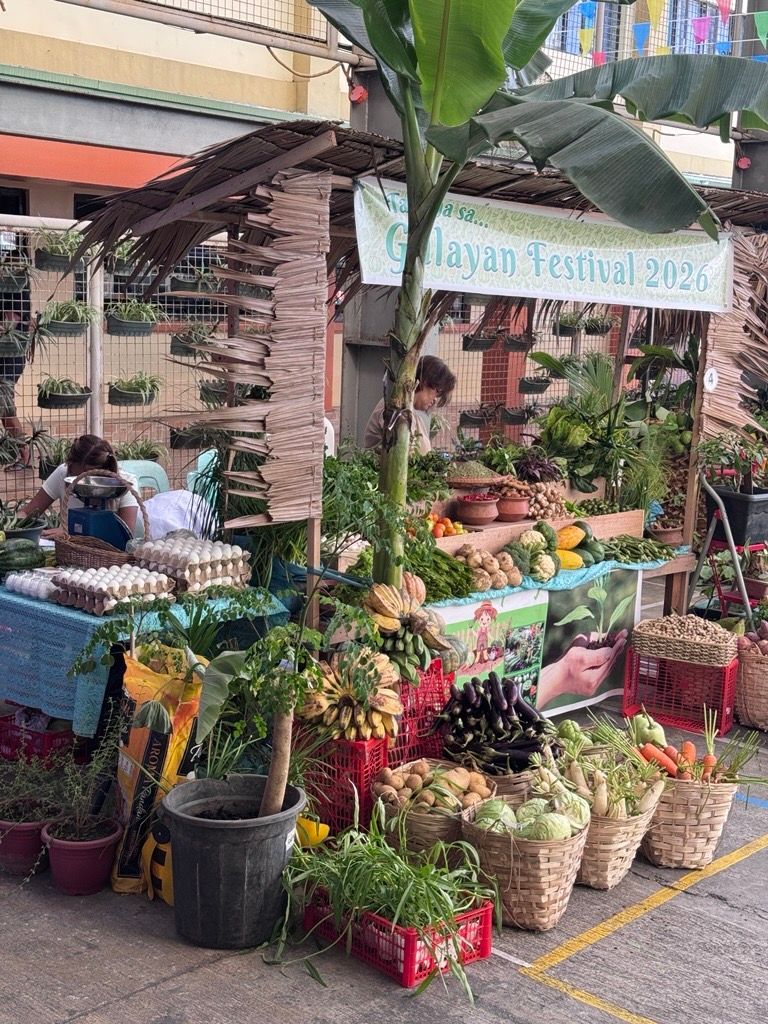
San Miguel Foods, in partnership with San Miguel Foundation has marked its 6th batch of scholars in its SEED scholarship program — Gawad Kalinga’s School for Experiential Education Development (SEED) three-month training program. With this milestone, the program has now produced 117 SEED graduate scholars, each carrying forward a story of resilience, hope, and purpose. In a country rich in agricultural resources yet facing declining participation of youth in farming, San Miguel Foods is helping redefine what agriculture can mean for the next generation. As many young Filipinos turn away from the farm, the company is taking a different view: that the future of agriculture begins with empowering young people, especially those with limited access to formal education but a strong determination to succeed. Through this program, agriculture is presented not just as a means of livelihood, but a pathway to dignity, meaningful work, and long-term food security, contributing to nation-building one young farmer at a time. Every year, San Miguel Foods sponsors 20 youth scholars to undergo an intensive, three-month agri-entrepreneurship training under SEED Philippines — a course that grants a TESDA National Certificate II, recognized by employers and meeting national competency standards. The program goes beyond technical training, strengthening character and values through workshops, permaculture-based farming activities, solidarity assemblies, bayanihan sessions, and community outreach, ensuring scholars graduate not only with skills, but the right mindset for community-driven development.
November 25, 2025
The festive season is upon us—twinkling lights, cozy gatherings, and the comforting aroma of freshly brewed coffee filling the air. As we embrace the joy of giving, there’s one gift that never fails to warm hearts and bring people together: a truly exceptional cup of coffee. This Christmas, elevate your gift-giving with OldTown White Coffee, a brew that’s both new to the Filipino palate and deeply rooted in tradition. Whether it’s for a loved one, a colleague, or your own quiet holiday moments, OldTown White Coffee is a thoughtful, flavorful way to celebrate the season.
October 27, 2025
In celebration of World Bread Day this October, San Miguel Mills, Inc. (SMMI), the flour business of San Miguel Foods, launched a flagship community initiative aimed at empowering women through baking. As part of the program, 40 women—20 from Tabangao, Batangas and 20 from Tondo, Manila—were trained in baking beloved Filipino staples such as pandesal, puto, and bibingka. These workshops not only taught baking techniques but also provided practical business skills to help participants start their own small-scale baking ventures, promoting economic independence and community resilience. “This program is more than just about bread—it’s about rising together,” said Antonina Sio, General Manager of SMMI. “By teaching these women how to bake and sell Filipino favorites, we’re helping them build sustainable livelihoods and take pride in what they can create.” This initiative reflects SMMI’s commitment to inclusive growth and nation-building through food. It highlights the company’s belief in the transformative power of bread—not just as nourishment, but as a tool for opportunity. “World Bread Day reminds us of the simple yet profound impact of food,” said Emmanuel Macalalag, President of San Miguel Foods. “Through these workshops, we’re investing in people—giving them the means to provide for their families and contribute meaningfully to their communities.” The workshops were held in partnership with Barangay Aplaya in Tabangao and San Miguel Corporation’s Better World Tondo in Manila. SMMI provided flour, baking equipment, and expert instruction. Participants also received guidance on pricing, packaging, and selling their products in local markets. SMMI encourages everyone to support local bakers and recognize the vital role bread plays in shaping lives and communities.
September 18, 2025
At San Miguel Foods, we believe that eating well shouldn’t be complicated—or boring.  That’s why we offer a wide range of nutritious products that support a healthier lifestyle without sacrificing taste. From protein-rich chicken breast nuggets and meat-free burger patties to dairy options like low fat milk, fresh milk, chocolate milk, and non-fat milk, our line-up is designed to meet your wellness goals. Whether you're looking for sugar-free coffee to start your day, marinated chicken for a balanced meal, or nutrient-packed spreads like margarine, our products make it easier to enjoy food that’s both satisfying and good for you. Here are a few of your favorite San Miguel products - check out their nutritional components!
September 18, 2025
In today’s fast-paced world, food choices are shaped by convenience, accessibility, and evolving lifestyles. While natural foods often take center stage in nutrition conversations, processed foods have become indispensable in meeting modern dietary needs. Instead of drawing a hard line between the two, there is an opportunity to adopt a more inclusive approach. One that combines both to support a healthy, balanced, and sustainable diet.
September 18, 2025
With heart disease, stroke, and hypertension among the leading causes of death in the Philippines, San Miguel Foods recognizes the urgent need for more responsible food manufacturing. Excessive sodium intake is a well-established risk factor for these conditions. That’s why we’ve taken steps to significantly reduce sodium in several of our products - helping support the country’s public health goals through everyday food choices.  Today, 42% of our products meet the 2019 sodium-reduction targets—a milestone that reflects more than just reformulation. It’s a firm, measurable step toward better nutrition and our ongoing commitment to being part of the solution. This effort is not a one-time achievement, but a continuous journey as we work to further reduce sodium across our portfolio and support healthier choices for every Filipino family.
More Posts